- Home
- VST Plugins
- Antares Auto-Tune Pro
- Version
- 11.0..0
- Developer
- Antares
- Languages
- English
- License type
- Included
| macOS range | macOS 11 or later |
|---|---|
| Chip | Apple Silicon, Intel 64-bit |
| Download | 178 MB |
Screenshots
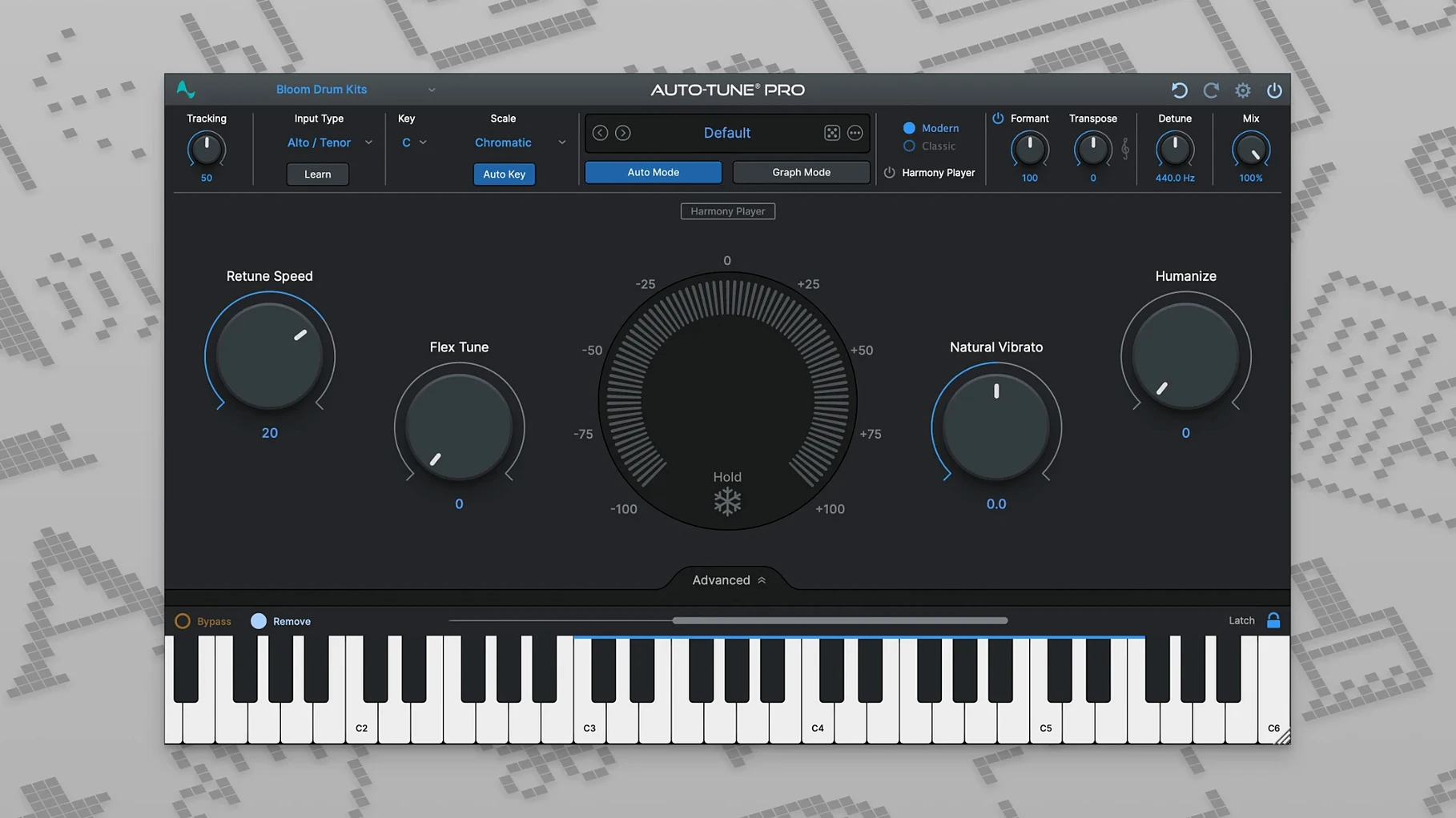
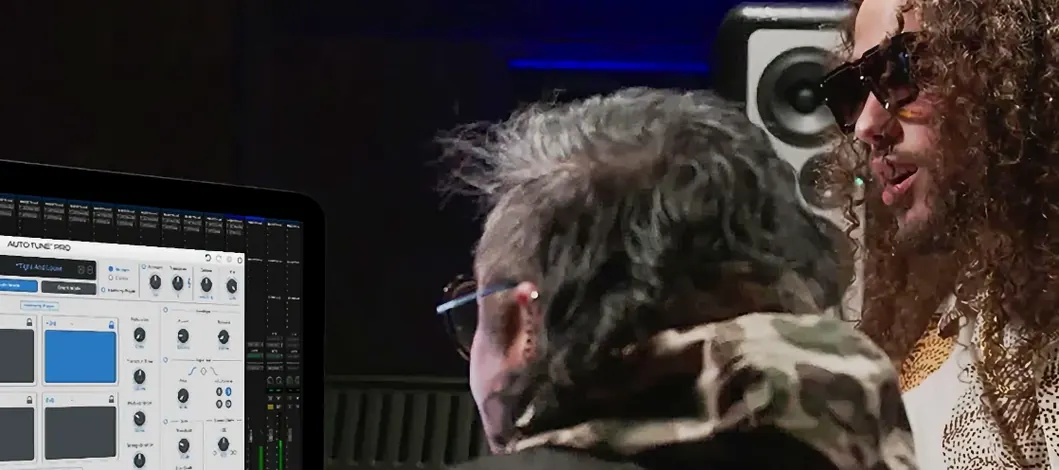
Auto-Tune Pro solves the problem of a vocal that sits slightly off pitch, whether you need a quick real-time fix or detailed manual correction. This is a 64-bit plugin that belongs on any vocal track or bus where pitch needs attention.
Real-time correction, Graph Mode, and ARA2 editing
- Real-time pitch correction while tracking or mixing.
- Manual tuning in Graph Mode for fine, note-by-note edits.
- Deeper vocal editing with ARA2 integration in Logic, Studio One, and Cubase/Nuendo.
Requires a 64-bit host; Intel and Apple Silicon
- Requires a 64-bit host; runs on Intel and Apple Silicon Macs.
- Interface is in English only.
- Version 11.0.0 supports macOS 11 and later.
Fast retune speed creates robotic sound
New users often set the retune speed too fast. At zero or near-zero milliseconds, Auto-Tune Pro locks onto every pitch instantly, producing the exaggerated robotic sound many people associate with the plugin. The default is rarely right for every singer.
Another mistake is leaving the scale or key set incorrectly. The plugin guesses the key from incoming audio, but it can get it wrong. If you hear notes jumping to unexpected pitches, check the key and scale selection. A mismatched key forces the plugin to pull notes toward the wrong targets.
Beginners also forget to switch between Auto and Graph mode. In Auto mode, the plugin corrects everything in real time. That works for a quick fix, but it can smooth out intentional pitch variation like vibrato or slides. Graph mode gives you manual control over each note. Use it on sections where the singer is doing something deliberate that Auto mode would flatten.
Lastly, do not bypass the low-latency monitoring settings when tracking. If you record with Auto-Tune Pro on the track and hear delay, check your host's buffer size. The plugin itself handles monitoring well, but a large buffer in the DAW creates audible lag. Keep the buffer at 128 samples or lower during recording.
Does not work in GarageBand
Many people ask whether Auto-Tune Pro works inside GarageBand. It does not. GarageBand does not support third-party audio unit plugins in a way that allows real-time pitch correction. You need Logic Pro, Studio One, Cubase, or another host that accepts AU or VST3 plugins.
Another frequent question: does the plugin process background vocals or only lead vocals? It works on any audio track. You can apply it to a backing vocal bus, an instrument, or even a spoken-word track if you want a pitch effect. Just be aware that the retune speed and key settings apply per instance. Each track may need its own settings.
People also ask whether they need an iLok or online activation. The version bundled with the download includes activation so you do not need a separate hardware dongle. Follow the installer prompts and authorize the plugin through the standard procedure.
Some users worry about latency when using ARA2 with Logic or Studio One. ARA2 integration lets the plugin read the audio region directly without bouncing or rendering. In practice, that means you can edit pitch in Graph Mode without the delays that come from real-time processing. The latency is effectively removed for manual tuning work.
Start with a simple track and set key and scale
Start with a simple track. Open Auto-Tune Pro on a vocal that has clear, isolated notes. Set the key and scale to match the song. Listen to the result. That gives you a baseline before you start adjusting parameters.
Spend time with Graph Mode on a short phrase. Zoom into the waveform, look at the pitch curve, and move individual notes. This is the fastest way to understand how the plugin maps audio to pitch targets. You will see how small corrections change the vocal's character.
Test the plugin in your live setup if you plan to use it on stage. Load it on a vocal track in your DAW or host, set the retune speed to zero for the classic effect, and confirm there is no audible glitching. Live rigs often have different buffer behavior than studio setups, so verify it works before show day.
Keep the manual or quick start guide open on a second screen for the first few sessions. The interface has several controls that are not obvious at first glance, such as the vibrato controls and the transpose function. Referencing the documentation saves time spent guessing what each knob does.
Finally, save a preset after you find a setting that works for a singer. Name it by vocalist or song. Next time you work with that singer, you load the preset instead of rebuilding the settings from scratch. It is a small habit that saves time across multiple projects.
- macOS 11 or later
- 64-bit host application
- Intel or Apple Silicon
Questions I get about this line
Yes, it supports ARA2 in Logic, which allows direct access to audio regions for faster manual editing.
The install order
- Open the downloaded disk image.
- Run the standard installer and follow the prompts.