

Free download (479 MB) Previous versions
- Version
- 26H1 (25388279)
- Developer
- VMware
- Languages
- English
- License type
- Included
| macOS range | macOS 13 or later |
|---|---|
| Chip | Apple Silicon, Intel 64-bit |
| Download | 479 MB |
| Previous versions | 6 on file |
Screenshots
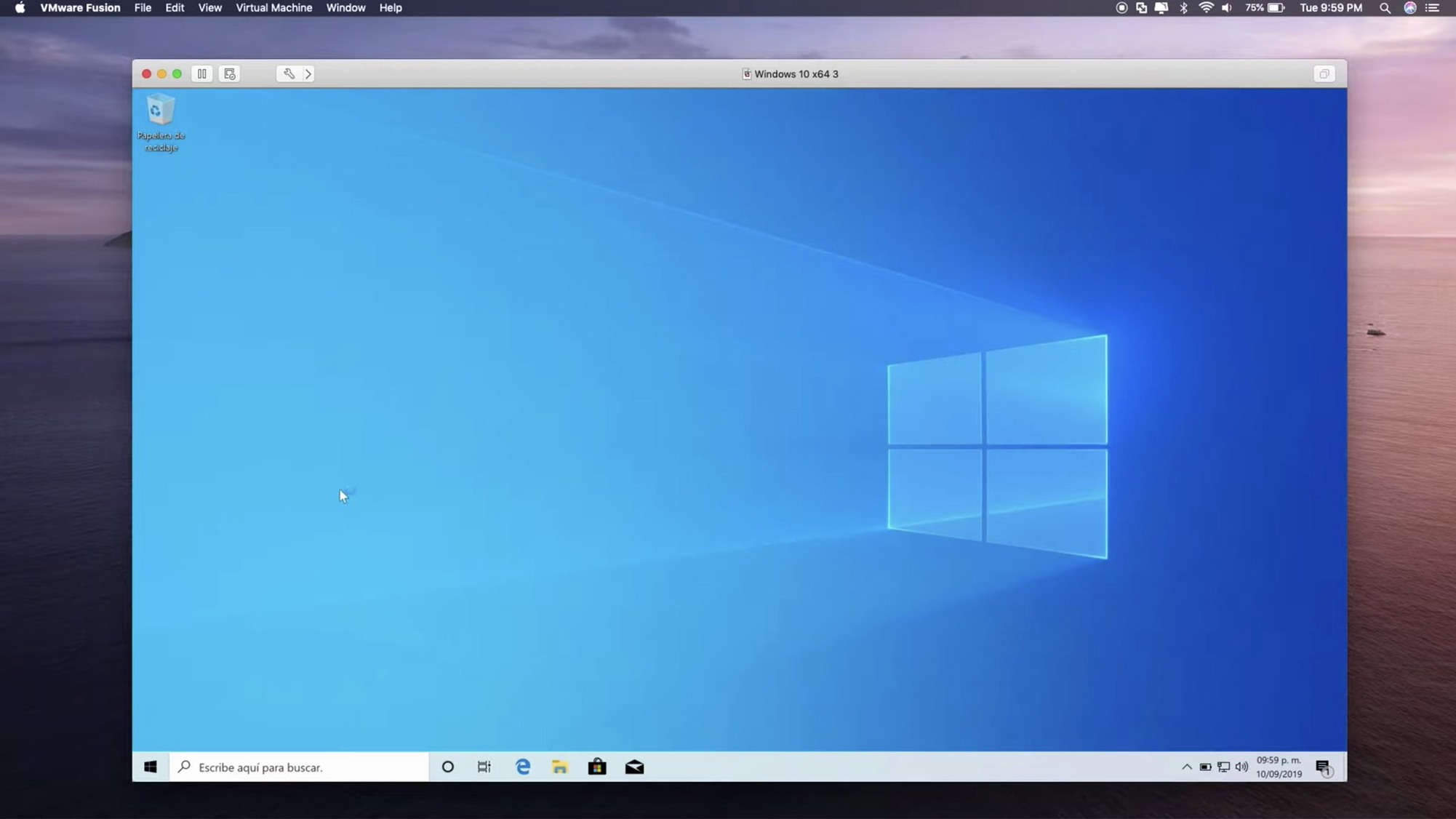
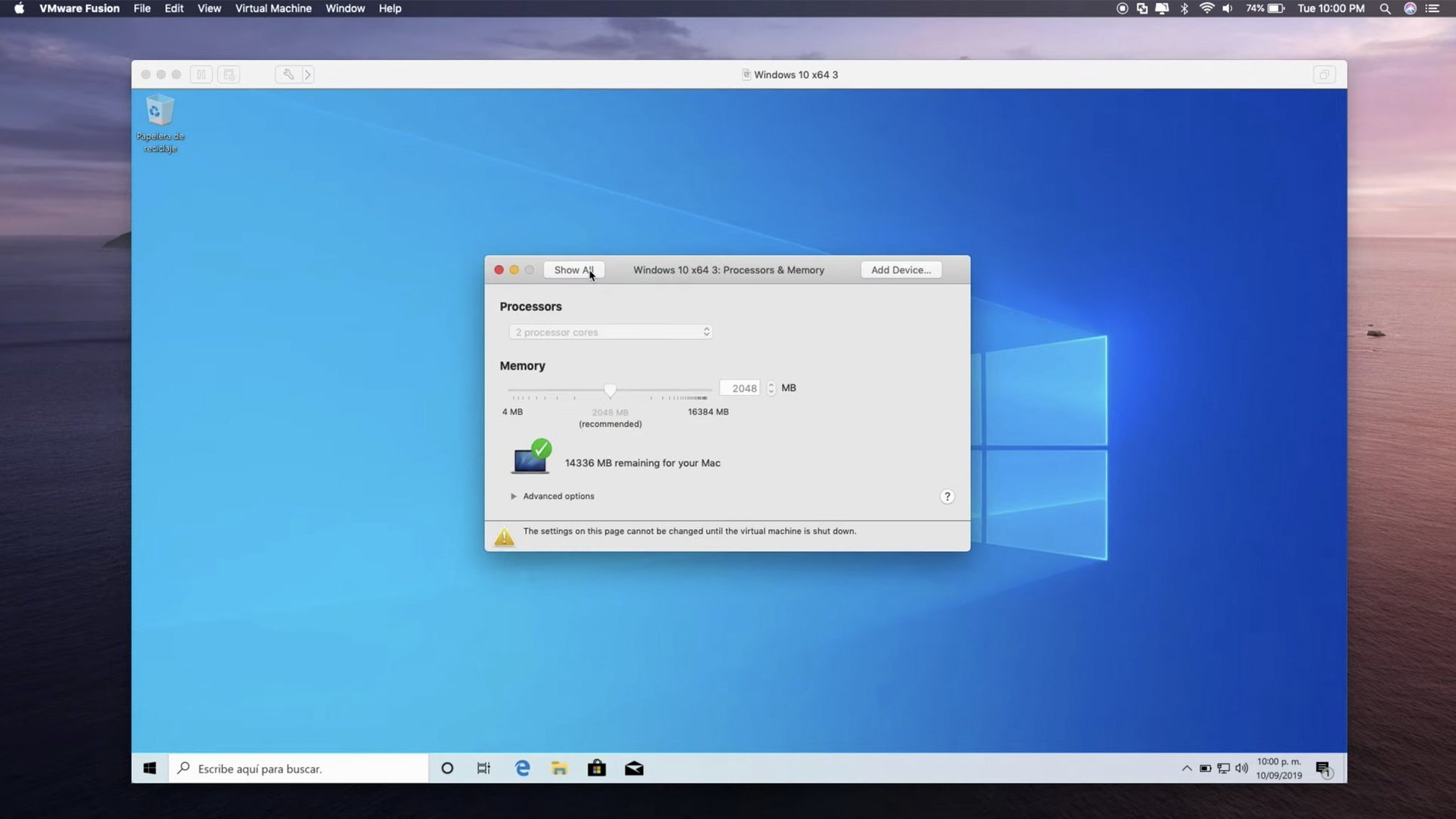
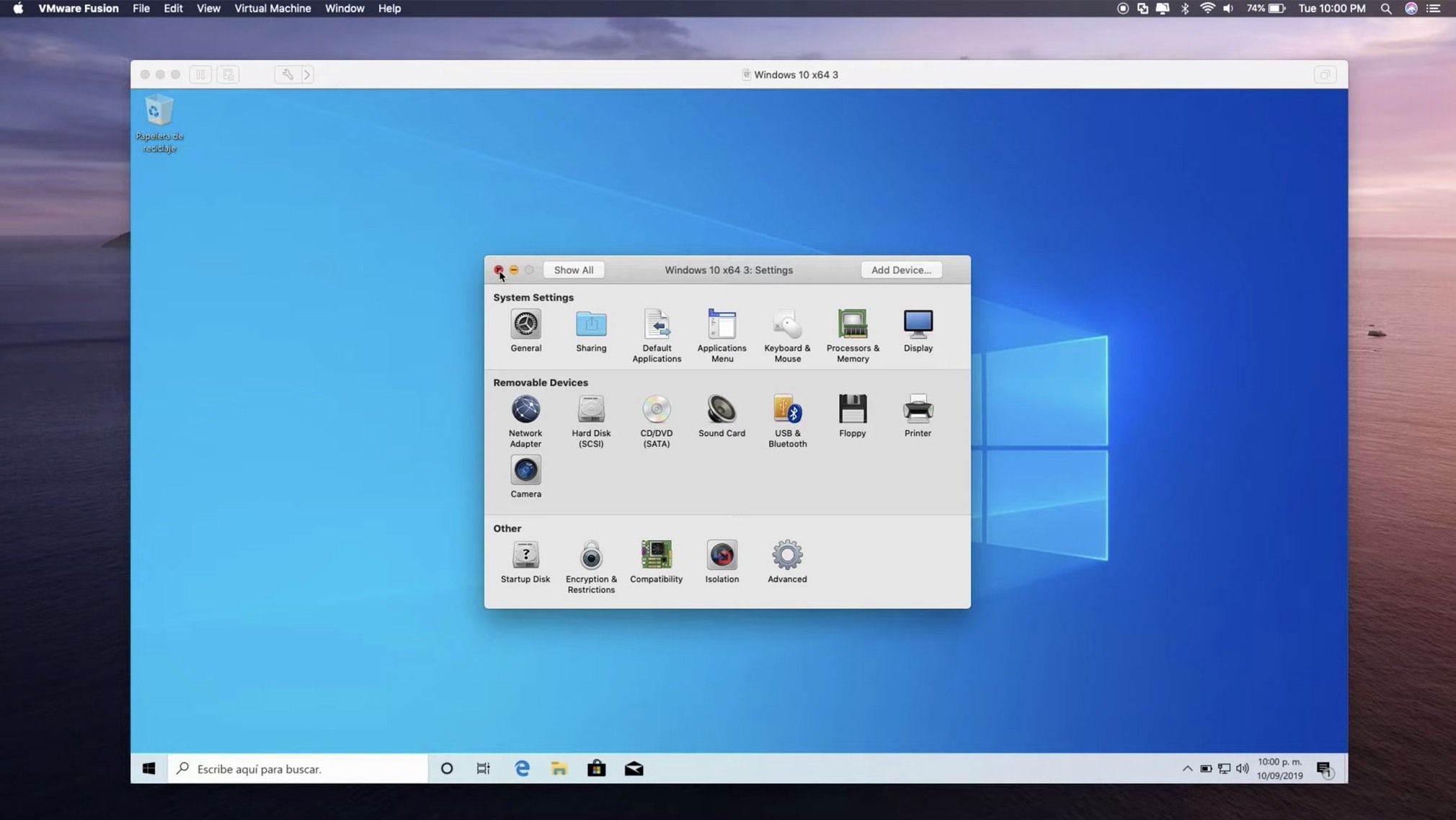
Click a screenshot to see it wider.
The timestamp column in the VM library is a small thing, but it changes how you track test images. VMware Fusion Pro 26H1 adds creation and last power-on times, so you can tell which Windows build you spun up last week without opening each one. That kind of detail carries through the rest of this release.
For IT work, the notable additions are remote connections to ARM-based ESX hosts and guest OS support for FreeBSD 15.0, openSUSE 16.0, and Ubuntu 26.04 LTS. OCI containers and local Kubernetes clusters run through the CLI, which keeps my scripts short. USB 3.1 passthrough handles external drives and dongles without fuss. If you manage a mixed fleet, the vmware fusion download dmg is worth the refresh.
First-Week Snags and Fixes
The most common hang-up after installing Fusion Pro 26H1 is forgetting to check the virtualization settings on a 2020-or-later Mac. Apple Silicon machines need the Rosetta engine toggled on per VM if you plan to run x86 binaries inside a guest. Go into the VM settings, Processor section, and confirm "Enable binary translation" is checked. Without it, some Windows install disks fail at the first boot.
Another frequent issue: USB 3.1 devices show up in the guest but disconnect after a few minutes. The fix is usually in the USB Controller settings. Change the compatibility from USB 3.0 to USB 2.0 for the device in question, then reconnect. This works for older peripherals like license dongles or unpowered hubs. If the device still drops, try plugging it into a different port on the Mac — rear ports on a desktop Mac have better shielding.
If you run multiple VMs at once and see the "Could not open /dev/vmmon" error, it means the kernel driver didn't load. Open Terminal and run sudo /Applications/VMware\ Fusion.app/Contents/Library/services/hostconfig --reset, then reboot. That re-registers the driver. This happens most often after a macOS update.
For anyone using the OCI container CLI: the first vmware-oci command might return a "command not found" error. The CLI isn't added to the default PATH. Either use the full path (/Applications/VMware Fusion.app/Contents/Library/vmware-oci) or symlink it into /usr/local/bin. The same goes for vmware-k8s if you test local Kubernetes clusters.
Timestamp Columns for Stale VM Cleanup
- Open Fusion Pro and set the VM library to show the new timestamp columns. Right-click the column header row, choose "Creation time" and "Last power-on time." This gives you a clean view of which test images are stale.
- Create one VM with the newest guest OS you'll need — Ubuntu 26.04 LTS or Fedora 43, for example. Install VMware Tools inside it. That enables proper mouse integration, drag-and-drop, and display scaling. If you skip this step, screen redraws feel clumsy.
- Test an eGPU connection if you have one. Plug in the enclosure before starting Fusion Pro, then assign the GPU to a Windows 10 VM. DirectX 11 acceleration should turn on automatically. If not, verify the VM has at least 2 GB of video memory allocated.
- Set up a shared folder between the Mac and the VM early. It saves you from dragging files through the network share. Go to VM Settings > Options > Shared Folders, enable it, and choose a Mac folder. All guests see it read-write once VMware Tools is installed.
- If you work with ARM-based ESX hosts at the office, test the remote connection workflow from your Mac. Add the host's IP and credentials in File > Connect to Server. The new support in 26H1 means you get the same console view whether the host is x86 or ARM.
macOS 13 or Later Required
macOS 13 or later is the floor for this release. That means Monterey, Ventura, and any newer version are fine. The installer checks for that at launch. If you are on an older macOS, the .dmg won't open.
Both Apple Silicon and Intel 64-bit Macs are supported. On an Intel Mac, the hypervisor uses hardware virtualization directly. On Apple Silicon, it uses a lightweight compatibility layer for x86 guests and native ARM support for ARM-based operating systems like FreeBSD 15.0 or Ubuntu 26.04 LTS. The same VMX files work on both architectures — just check "Migrate to new processor type" in the VM settings if you move a VM from an Intel Mac to an M-series Mac.
The installer is English-only, and the included activation instructions walk you through the license step. No extra downloads are needed beyond the registration key file mentioned in the instructions. The download page also has a link for registration keys if you misplace yours.
The VM library scan is fast — the new timestamps don't slow down the list refresh on a Mac with 20 VMs.
Headless VM Power-On Time Tracking
The timestamp columns in the VM library are the headline feature, but there are a few other details worth knowing. The "Last power-on time" column updates even for VMs that were started headless (no window). So if you run a VM from the CLI with vmrun start, its timestamp still changes.
USB 3.1 passthrough works with most USB-C hubs. If the hub has its own power supply, connect it to the Mac first, then attach the VM. The guest sees it as a USB 3.1 device, not a USB 2.0 fallback. This matters for external SSDs that need the speed.
Remote connections to ARM-based ESX hosts are new in 26H1. You don't need to install any special client on the ESX side — Fusion Pro handles the RDP-style protocol. The console opens in a tab within the Fusion Pro window, not a separate app. That keeps your workspace tidy.
Guest OS support for FreeBSD 15.0, openSUSE 16.0, and SUSE Linux Enterprise 16 is included out of the box. You don't need to hunt for a custom BSD kernel or manually edit the VMX file. The OS type picker in the new VM wizard has them listed. That is a small time-saver if you test FreeBSD ports or SLES builds for a client.
- Adds timestamps for virtual machine creation and last power-on time.
- Adds support for remote connections to ARM-based ESX hosts.
- Adds guest OS support for Ubuntu 26.04 LTS, Fedora 43, Fedora 44, SUSE Linux Enterprise 16, openSUSE 16.0, and FreeBSD 15.0.
- macOS 13 or later
- Intel or Apple Silicon
- Interface: English
Questions I get about this line
VMware Fusion Pro requires macOS 13 or later and runs on both Intel and Apple Silicon Macs.
Yes, it runs Windows virtual machines on Mac computers alongside Linux and other guest operating systems.
The install order
- Install the app following the included instructions.
- Apply the activation steps provided in the package.
- If required, download registration keys from the included link.